
Maritime HSE Software: How Crew-First Reporting Cuts Incidents
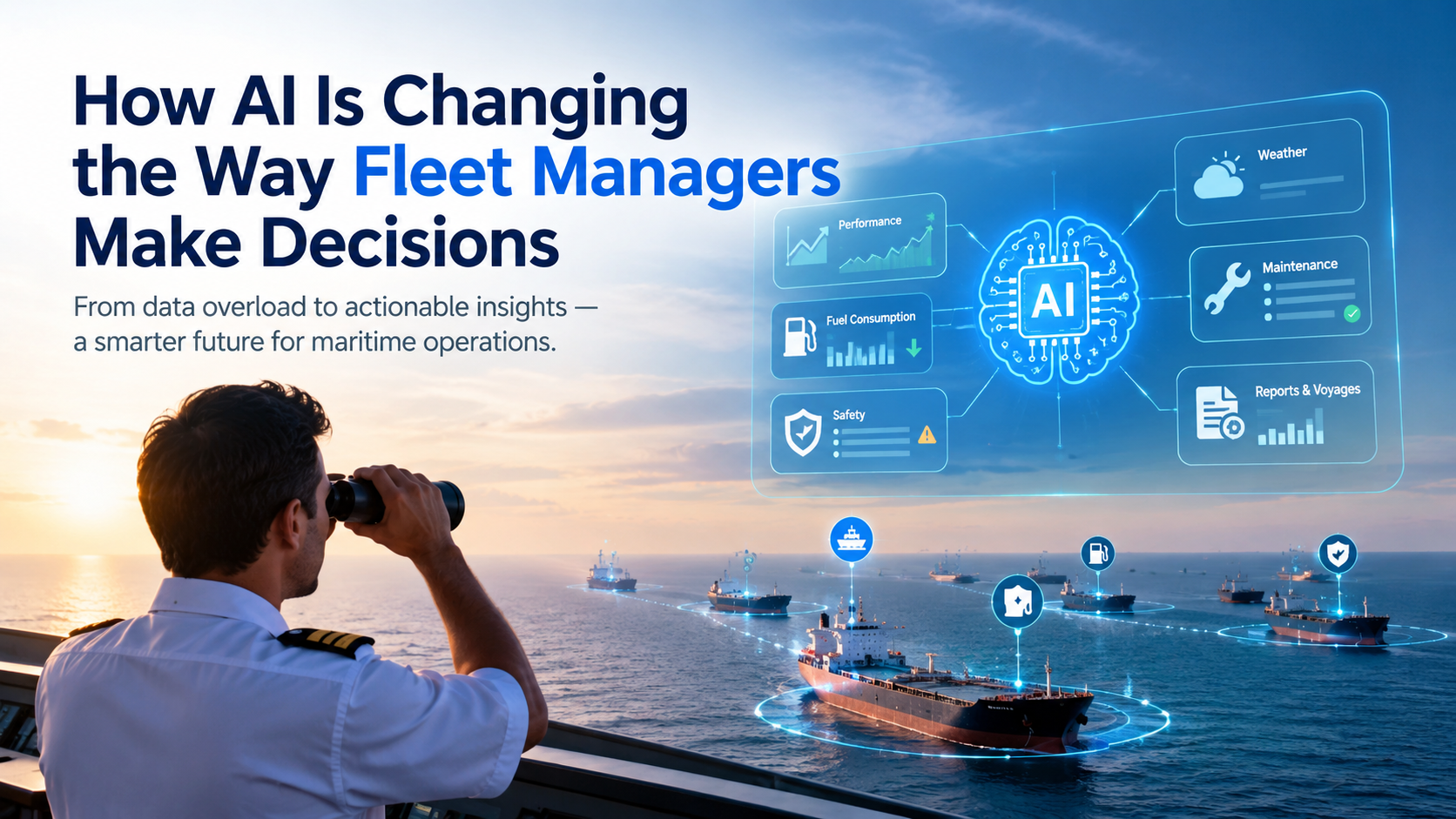
The best maritime HSE software is the one crews actually open. Here is how digital near-miss reporting, training and shore visibility turn safety data into fewer incidents.
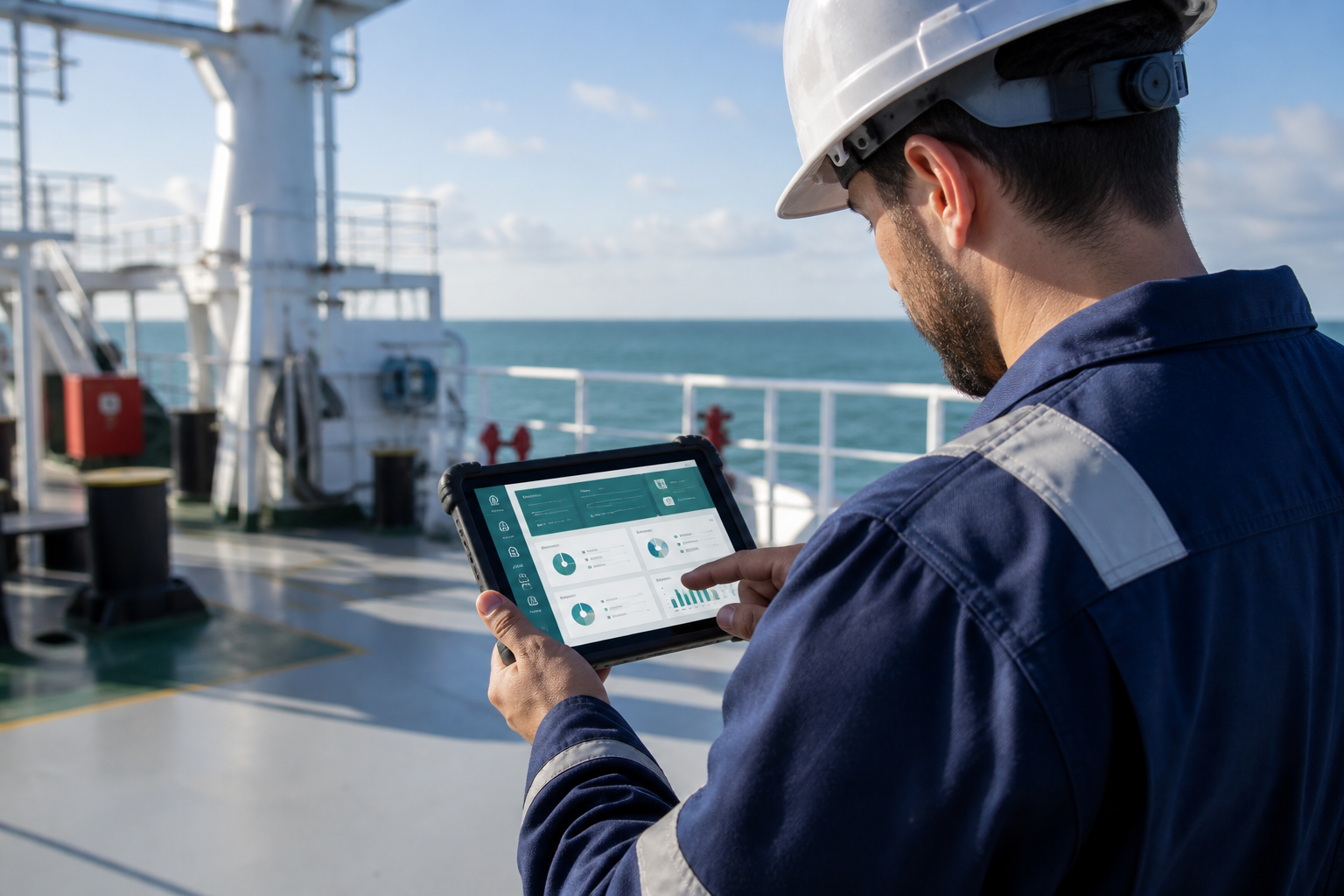
When HSEQ teams evaluate maritime HSE software, the brochure features look similar: apps, dashboards, training modules, KPIs. The difference that actually cuts incidents is whether seafarers will use the system on a tired mid-watch — without coaxing, without paper workarounds, and without waiting for connectivity.
Crew-first reporting is not a soft slogan. It is the only way you get complete near-miss data, timely hazard observations and training completion you can defend in an audit.
What good maritime HSE software must do
- Capture near misses, unsafe acts and conditions in minutes, offline-first
- Attach photos and evidence at the source so shore teams stop chasing context
- Close the loop visibly — crew see that reports lead to action
- Connect training, quizzes and toolbox talks to real vessel risk patterns
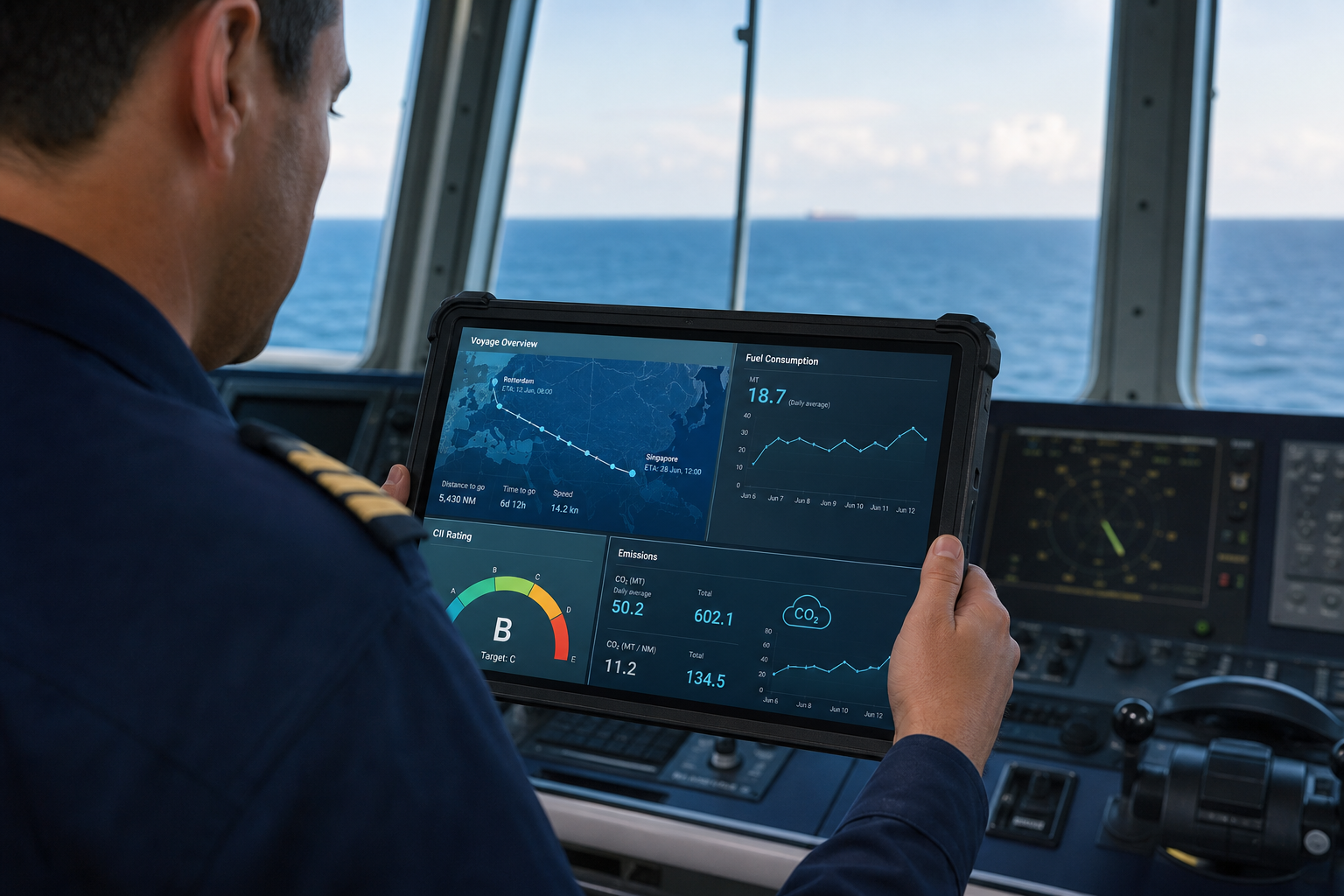
- Give shore management a live fleet view, not a monthly PDF rebuild
Why paper and generic apps fail offshore
Paper forms die in cabins. Generic enterprise apps assume always-on bandwidth and office workflows. Offshore reality is intermittent VSAT, multi-national crews and high operational tempo. Software that ignores that reality produces empty dashboards and a false sense of control.
How ShipArc.AI HSE approaches the problem
ShipArc.AI HSE is built by masters who have sailed. Reporting, behavioural safety, training and analytics sit in one system designed for vessel and shore. The goal is simple: more honest data, earlier intervention, fewer incidents — and an HSE culture crews will actually join.
If you are comparing maritime HSE platforms, start with one question: will this get used at 02:00 after a cargo watch? If the answer is uncertain, the rest of the feature list will not save your lagging indicators.