Maritime Digital Transformation: Building Smarter, Safer Operations
Digital transformation in shipping is not about adopting more software — it is about connecting people, data, vessels and processes so fleets can decide faster and operate safer.
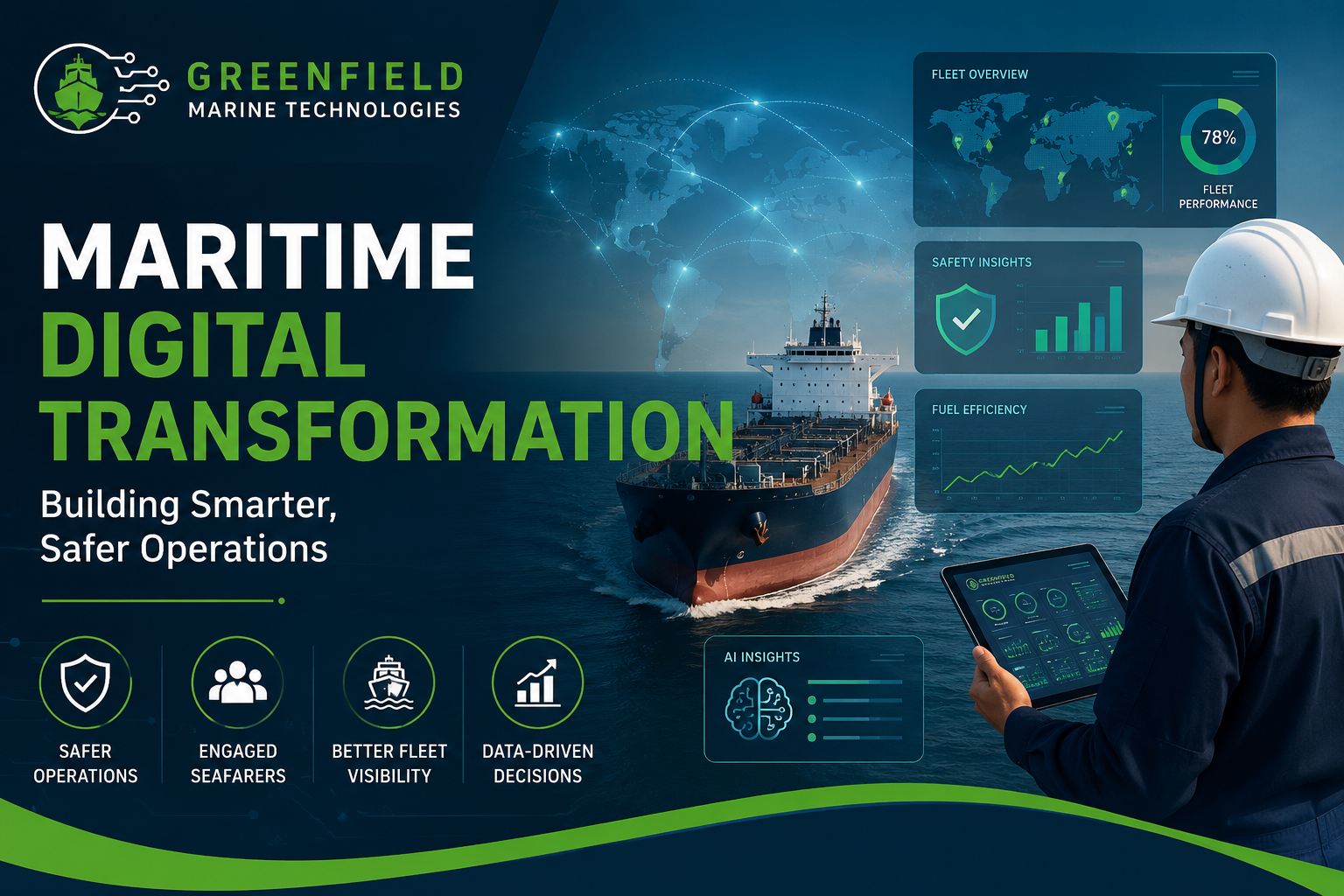
The maritime industry is undergoing a significant digital transformation. From safety management and crew engagement to fleet performance and fuel efficiency, technology is changing how maritime teams manage their daily operations.
But digital transformation is not simply about adopting new software. It is about connecting people, data, vessels, and processes to make better decisions and improve operational performance.
Making Maritime Safety More Proactive
Maritime safety depends on timely reporting, effective training, regular inspections, and continuous improvement. Digital HSEQ solutions are making these processes more accessible by allowing seafarers and shore teams to report hazards, near misses, unsafe conditions, and observations digitally.
When safety information is captured and analyzed in one connected environment, maritime teams can identify recurring issues, monitor corrective actions, and gain greater visibility into safety performance across their fleet.
This enables a shift from simply recording incidents to identifying potential risks and acting earlier.
Strengthening Seafarer Engagement
Technology also has an important role in connecting seafarers with their organization's safety and learning initiatives.
Digital platforms can simplify access to training, quizzes, safety information, inspections, and feedback. This makes it easier for crew members to participate and contribute, regardless of where their vessel is operating.
A strong safety culture is built when seafarers feel that their observations and feedback are heard and acted upon. Digital technology can help create that connection.
Improving Fleet Visibility
Safety is only one part of maritime operations. Fleet teams also need to understand where vessels are operating, how they are performing, and where opportunities exist to improve efficiency.
Modern fleet management and maritime intelligence platforms can provide greater visibility into vessel movements, operational performance, fuel consumption, and performance trends.
With this information available in a connected environment, fleet teams can move beyond simply monitoring vessels to understanding why performance changes and where action may be needed.
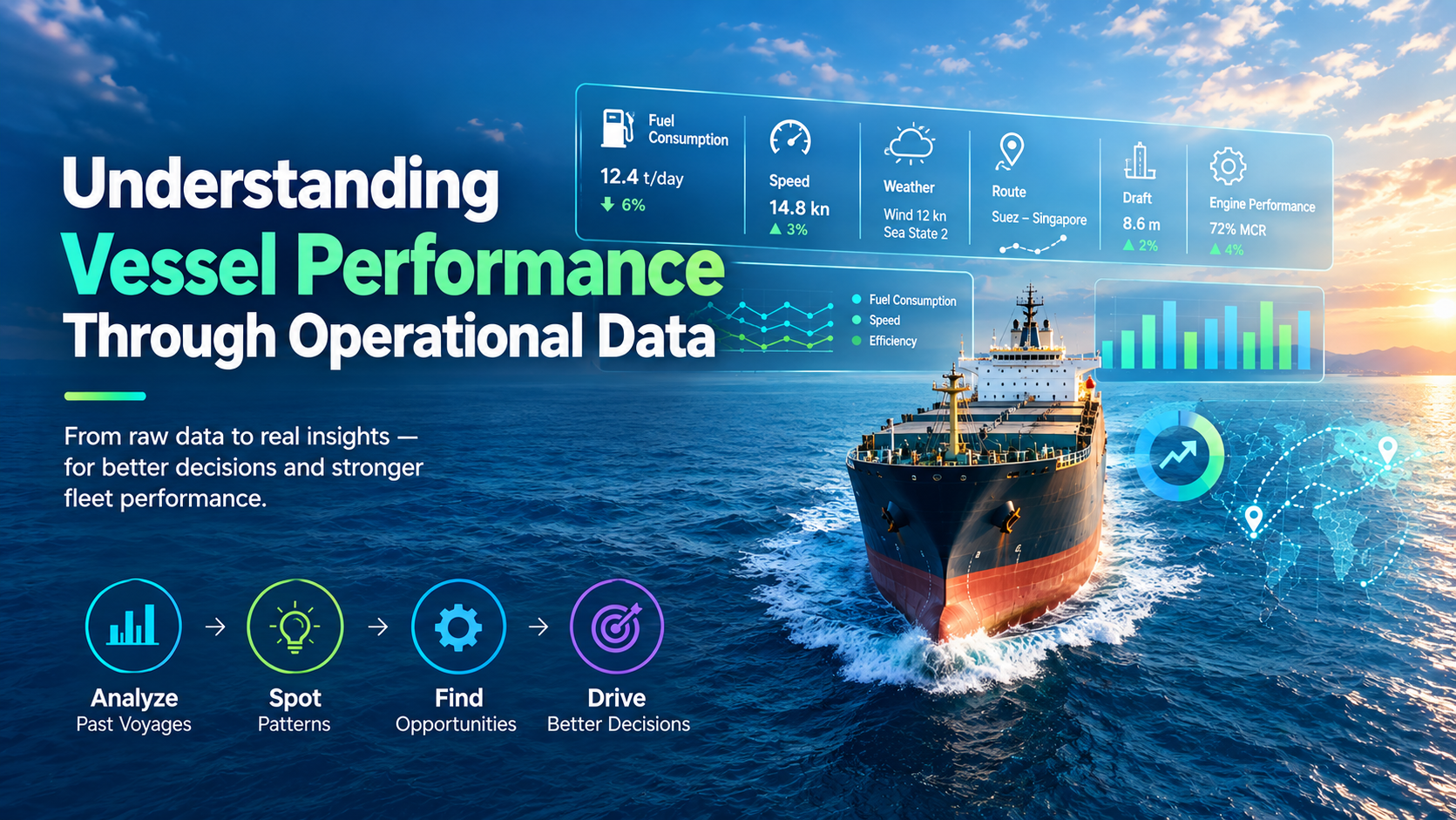
Using Data to Improve Vessel Performance
Fuel efficiency and vessel performance are closely linked to operational efficiency.
By analyzing vessel and voyage data, maritime teams can identify performance patterns, understand deviations, and uncover opportunities to improve fuel consumption and overall vessel efficiency.
This is where data becomes more than a reporting tool. It becomes a foundation for better operational decisions.
Better visibility → Better decisions → Better performance.
The Role of AI in Maritime Technology
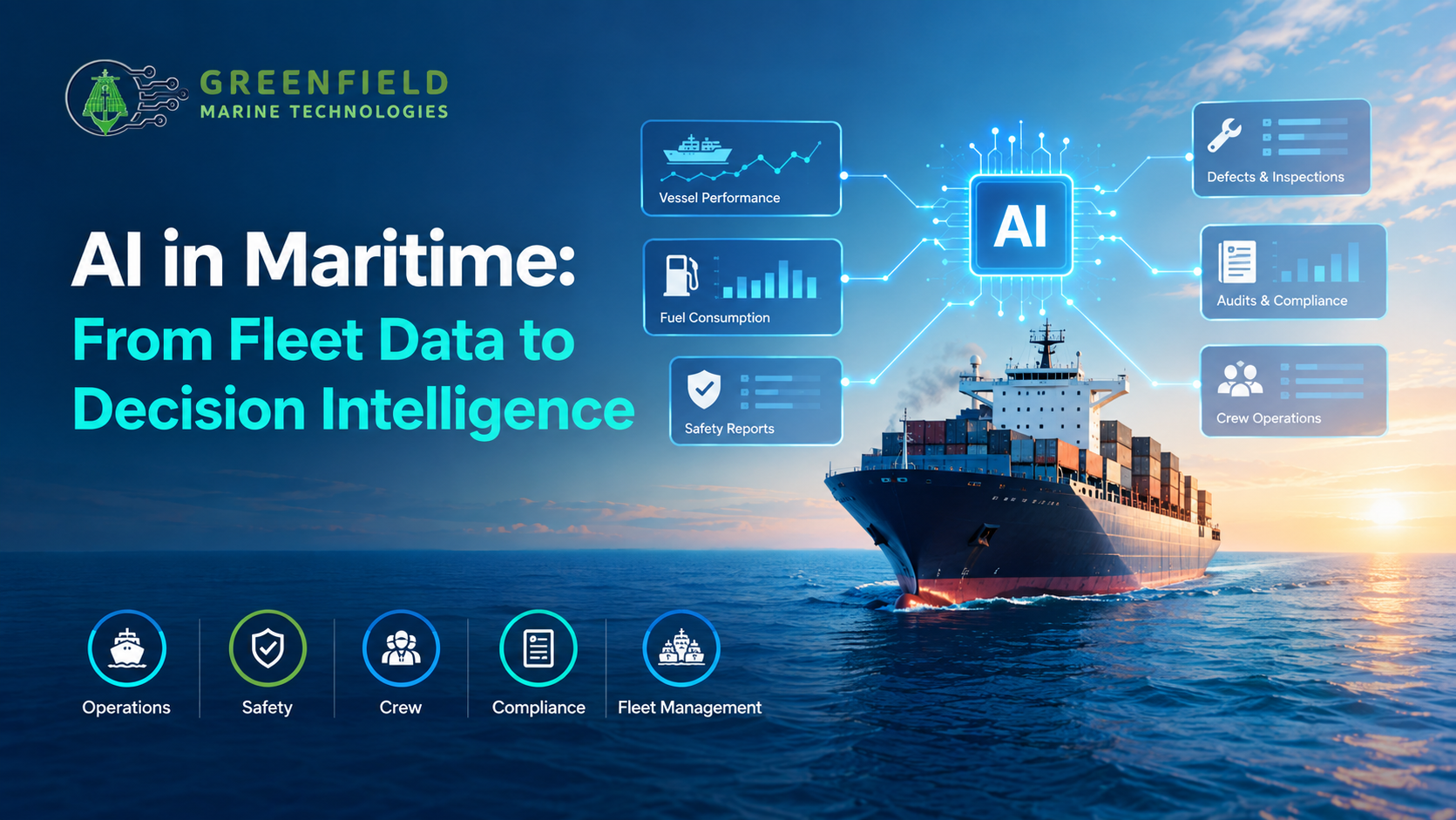
Artificial intelligence is adding another dimension to maritime digital transformation.
AI can help maritime teams analyze large volumes of safety and operational data, identify patterns, summarize information, and surface insights that may otherwise take significant time to discover.
From supporting HSEQ management to helping teams understand fleet and vessel performance, AI can make complex maritime data easier to interpret and act upon.
However, technology should complement human expertise, not replace it. The experience of seafarers, fleet managers, and maritime professionals remains critical. The real opportunity lies in combining human knowledge with intelligent technology.
A More Connected Maritime Future
The future of maritime technology is not about adding more systems. It is about creating better-connected information and more meaningful insights.
When safety, crew engagement, vessel performance, fleet data, and AI-driven insights work together, maritime teams can gain a more complete view of their operations.
This can help organizations become more proactive, improve efficiency, strengthen safety culture, and make decisions based on real operational data.
At Greenfield Marine Technologies, we believe digital transformation should create practical value for the maritime industry, helping teams operate safer, smarter, and more efficiently.
Because the future of maritime is not just digital. It is connected, intelligent, and built around better decisions.